
FeedCraft International is a digital-first systems company focused on the design and delivery of structured, science-based frameworks for feed and food production environments.
Our work centres on transforming complex production, formulation, and quality requirements into clear, documented systems that can be implemented, maintained, and scaled. We develop tools and resources that support consistency, traceability, and informed decision-making across technical and operational teams.
FeedCraft operates entirely through digital delivery, providing globally accessible tools and frameworks that can be applied across diverse production contexts without the need for on-site engagement.


Our Approach
FeedCraft’s approach is rooted in applied systems science and process-driven design.
We begin by identifying the underlying structure of production and quality challenges – how inputs, processes, controls, and outputs interact. From there, we design logical, documented frameworks that bring clarity and repeatability to operations.
Our tools are intentionally:
- Structured but adaptable
- Technically sound without unnecessary complexity
- Designed for independent implementation
Rather than offering bespoke consulting that depends on ongoing involvement, FeedCraft develops ready-to-use digital systems that allow organisations to build internal capability and apply solutions at their own pace.
Scientific & Systems Focus
FeedCraft applies evidence-based principles drawn from systems thinking, process engineering, and applied production science.
Our work emphasises:
- Clear process architecture
- Defined inputs, controls, and outputs
- Traceable workflows
- Documented decision logic
By focusing on how systems function as a whole, we help organisations move away from reactive problem-solving and toward stable, repeatable operational models.
All FeedCraft resources are designed to support international applicability, with neutral terminology and adaptable structures that align with a wide range of regulatory, operational, and production environments.

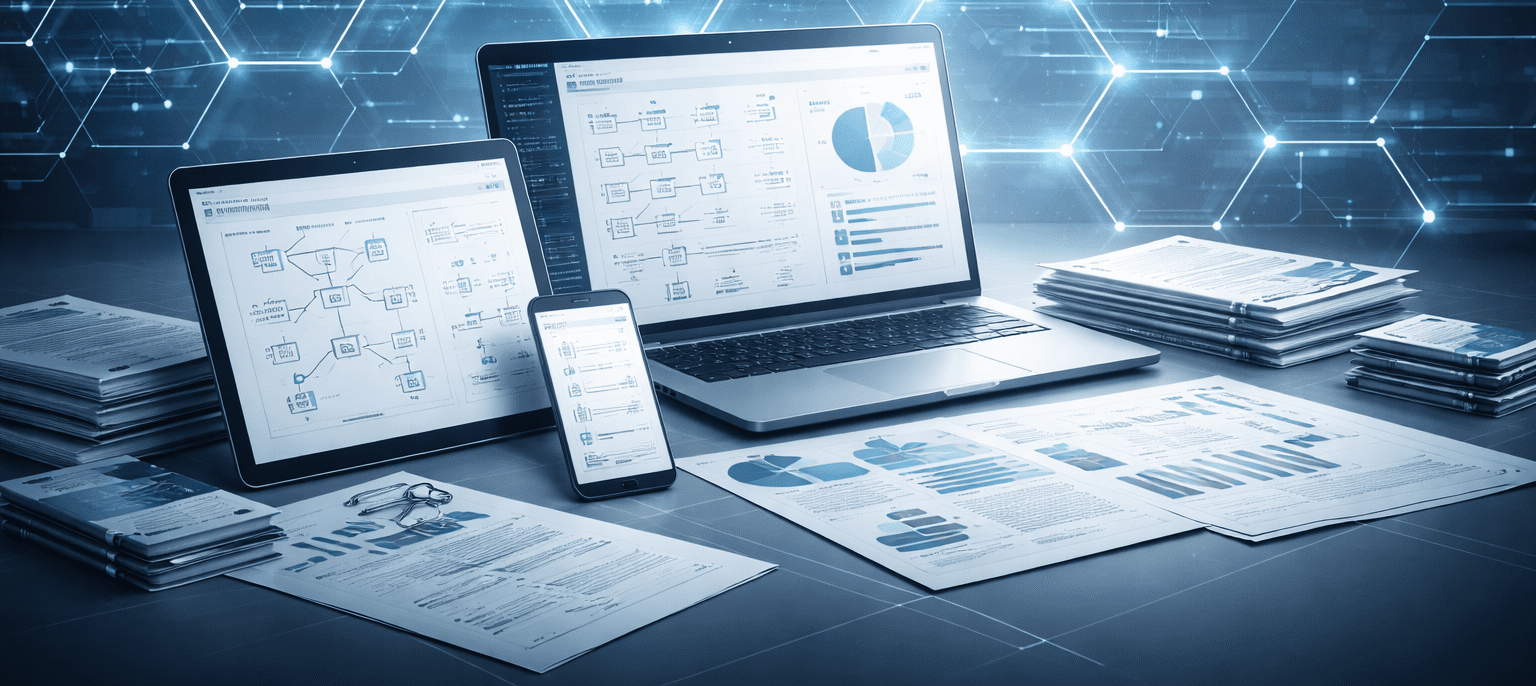
What This Means in Practice
- Digital tools instead of ad-hoc guidance
- Structured frameworks instead of isolated documents
- Clarity instead of complexity
- Systems that scale across teams and locations